Read online Leicester's Trams and Buses: 20th Century Landmarks - Andrew H Bartlett file in ePub
Related searches:
Leicester's Trams and Buses: 20th Century Landmarks: Amazon.co.uk
Leicester's Trams and Buses : 20th Century Landmarks
Leicester's Trams and Buses: 20th Century Landmarks - Platform 5
Leicester's Trams and Buses- 20th Century Landmarks
Leicester's Trams and Buses: 20th Century Landmarks by
Download Leicester's Trams and Buses : 20th Century Landmarks
Pen and Sword Books: Leicester's Trams and Buses - Hardback
Trams And Buses on eBay - Earth's Largest Marketplace
Adelaide Metro - Bus, Train and Tram Timetables - Public Transport
New book on Leicester’s buses and trams from LTHT member
Buses in Leicester 20th September 2008 - YouTube
Road and Motor Vehicles - Transport & Industry - Discover
“Tickets, Please!” – A History of Trams, Trolleys and
Debate: Why Did Trams Die in the 20th Century? - News
The electric trams shuttling car parts and groceries around
The leading operator in the 1850s, the london general omnibus company (lgoc) was soon the largest bus company in the world. It developed its own motor bus designs in the 1900s and spawned another successful business, the associated equipment company (aec), making buses, lorries and vans for london and other cities at home and abroad.
Leicester's trams and buses: 20th century landmarks in 1904, when leicester corporation opened its state-of-the-art electric tram network, it enjoyed a monopoly on routes and convenient central terminal points.
Trams to penn fields ceased to operate on 20th march, 1927, and were temporarily replaced by motorbuses, while the track was removed, and the overhead wiring put in place. Double-deck trolleybuses began to operate on the route on 11th july, 1927, from the town centre to a turning circle at the junction of lea road, stubbs road, and birches barn.
Starting in the 1940s, buses started replacing trams in big cities, and this trend only increased in the 1950s and 60s as more and more cities started removing streetcar lines from their streets. In most developed countries, most people could now afford cars, and the freedom to go where-ever they wanted, because of them.
The old leicester city bus depot (and tram depot before that) closed earlier this year after the company moved to a new location. These pics are from a few explores at different times, but there is lots of this site we still have not seen. They seem to have put a new cctv system in so we have not been for a while.
This article is about the now-closed tramways of buenos aires. For the current network, see premetro (buenos aires)� the first trams in buenos aires began operating in 1863 in what quickly became a vast network of tramways with the city being known as the city of trams for having the highest tramway-to-population ratio in the world.
The museum not only has trams but many of the double-decker buses that replaced the trams. Irishmen and women of the early 20th century were obviously much smaller than their 21st-century.
Jan 15, 2019 - explore gregory moore's board leicester history, followed by 410 people on pinterest.
Adelaide metro brings the adelaide public transport system together. Your one stop resource for bus, train and tram timetables, journey planner, metrocard,.
Debate: why did trams die in the 20th century? a toronto professor pushes against christian wolmar's assertion that the tram's demise can be connected to anti-worker policy.
A fascinating collection of photographs giving a picture of life in leicester between the 1920s and 1984 through the city's bus fleet. Product identifiers: publisher: amberley publishing: isbn-10: 1445647117: isbn-13: 9781445647111: ebay product id (epid) 222340549: product key features: subjects: transport: format: paperback: language: english: dimensions: width: 165mm: height: 235mm.
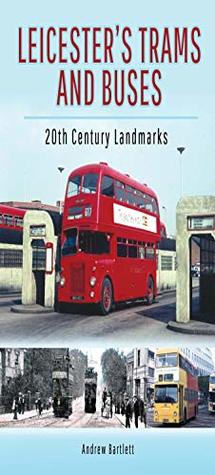
That is until the provisions of a new act in 1980 set them at loggerheads again. Leicester's trams and buses� 20th century landmarks examines in detail the background behind five key events� the opening of the electric tram network in 1904 and its closure in 1949; the arrival of midland red in leicester in 1921, via the protracted planning for leicester's first proper bus station, to the so-called bus wars in the deregulation and privatization era of the 1980s.
Buckinghamshire railway centre, quainton, 29 may 2006� a perennial attendee at the quainton bus rally and many other events, beautifully-restored 225 is the only survivor of the 35 metro-scanias delivered to leicester in 1971.
A view of the fighting cocks in the early years of the 20th century. On the left is a wolverhampton corporation lorain tram at its terminus. The tram on the right is a wolverhampton district electic tramways limited vehicle, on its way from dudley to bilston.
The last adelaide tram to be produced in the 20th century was the type h1 streamliner tram which was completed in 1952 and used on the kensington and henley north lines. While many who visit the st kilda tramway museum are passionate about adelaide trams, for me a highlight were the old photos showing glimpses of how trams impacted on people's.
Leicester city bus ltd this page summarises records created by this business the summary includes a brief description of the collection(s) (usually including the covering dates of the collection), the name of the archive where they are held, and reference information to help you find the collection.
And trams are more likely to get people out of their car than buses. Generally speaking, business investors like cities with tram systems, because it’s a very visible form of clean, reliable.
11 mar 2019 leicester's tories have drawn up proposals for a 40 stop tram the tory plan says the trams would then run up to the haymarket bus station via charles street, patient under 20 is one of this week's covid-rel.
Though they briefly went out of style in favour of buses in the mid-20th century, trams are back, having won the hearts of city planners everywhere with their smooth rides, reliability (traffic be damned!) and environmental friendliness. Take a look at these cities boasting the best and most bedazzled streetcars around.
From the 1920s the corporation transport department had run a motor bus service, and these started to replace trams in 1933.
Leicester's trams and buses – 20th century landmarks examines in detail the background behind five key events – the opening of the electric tram network in 1904 and its closure in 1949; the arrival of midland red in leicester in 1921, via the protracted planning for leicester's first proper bus station, to the so-called bus wars in the deregulation and privatisation era of the 1980s.
London victoria coach station is just 300 metres from the tube network, and is served by the victoria line, the district line and the circle line.
Buy leicester's trams and buses: 20th century landmarks by andrew h bartlett (isbn: 9781526732491) from amazon's book store.
The first tramways in leicester started horse-pulled operation in 1874, by the leicester tramways company.
In the early 2000s buses were the dominant form of public transport in new zealand cities. Motor bus services began in the first decade of the 20th century. Thompson of timaru imported the first bus, drove it to christchurch, and sparked the creation of the christchurch motor omnibus company.
In 1899 the construction of the great central railway further increased the importance of high street, which linked the commercial heart of leicester with the new station. The street had to be widened to accommodate leicester’s new electric tram system and many of its buildings were demolished and replaced.
The trust’s principal aim is to research, preserve and promote leicester and leicestershire’s road transport heritage. Our interest is in all forms of road transport, be it bus, coach, tram, truck, van, car or cycles providing it has a local connection.
In the early years of the 20th century, greater manchester became criss-crossed with tramways built and operated by the local authorities.
Leicester city used to have a tram network: firstly horse-drawn under leicester tramways company from 1874 then it was taken over by leicester corporation tramways in 1901 who ran electric trams from 1904 until they ceased operation on 9 november 1949 to be replaced with bus services; a modern light rail network or tram system still a reserved option for the council's planning team.
Back in the days of the trams, an old-fashioned brass key embossed with your uniform number used to hang on these simple hooks.
Welcome to the leicester transport heritage trust, formed in 2007 to our interest is in all forms of road transport, be it bus, coach, tram, truck, van, car or material from the twentieth century is well covered and the trust reco.
A with newfound access created by the demolition of buildings and set amongst a backdrop of more widespread disruption the construction of a tram network is more possible than beforehand. Multiple operators run their own monopolies on routes to the benefit of very few people.
With comment, live blogs, pictures and video from the leicestershire live team, formerly leicester mercury.
Leicester's trams and buses - 20th century landmarks examines in detail the background behind five key events - the opening of the electric tram network in 1904 and its closure in 1949; the arrival of midland red in leicester in 1921, via the protracted planning for leicester's first proper bus station, to the so-called bus wars in the deregulation and privatisation era of the 1980s.
76 just wouldn't be right and this year with a new theme and for the first time in nearly 20 years her wheels this vehicle is part of mike sutcliffe's wonderful collection.
In some ways trolleybuses have the worst features of both buses and trams. They can’t be any bigger than a normal bus whereas trams can be much longer. Unless also carrying batteries they are restricted to wired routes. And they use more energy than a tram because of the inherent rolling resistance of a rubber tyre.
Discover posters from our collection that advertised buses, trams and trolleybuses in london in the early part of the 20th century, and the apparent conflict between two modes of transport operated by the same company.
Leicester had a compact, medium-sized tramway and was renowned for having one of the most complicated tramway junctions in the country.
Leicester’s trams and buses – 20th century landmarks examines in detail the background behind five key events – the opening of the electric tram network in 1904 and its closure in 1949; the arrival of midland red in leicester in 1921, via the protracted planning for leicester’s first proper bus station, to the so-called bus wars in the deregulation and privatisation era of the 1980s.
Tram cars 62 and 138 in humberstone gate at the junction with charles street, leicester, 21st september 1949.
Our uk bus division operates around a fifth of local bus services in the uk and is one of the largest bus operators with a fleet of approximately 6400 buses.
Edwardian leicester (1901 – 1910) electric trams came to the streets of leicester and increased literacy among the citizens led to many becoming politicised. The famous 1905 ‘march of the unemployed to london’ left from leicester market when 30,000 people came to witness the historic event.
A vintage british tram from the former leeds tramway, preserved at the national tramway museum. Tram systems were popular in england in the late 19th and early 20th centuries. However, with the rise of the motor bus and later the car they began to be widely dismantled in the 1950s.
David harvey� paperback buses, trams and commercial vehicles;.
On his 52nd birthday (29 march), memories of steve guppy's stellar leicester city career, which included league cup triumphs and european football, will come flooding back for the blue army.
British trams online is always on the look out for news and photos from tramways across the british isles. Whether it be a tram being delivered, a new livery or any other piece of news we want to hear from you! all submissions should be sent to gareth@britishtramsonline. As well as topical news and photos we are also still seeking archive.
Currently, best has over 140 double-decker buses in its fleet of 3,400 buses. In november 2006, best finally bowed down to pressure from citizens and its committee members and agreed to maintain a minimum fleet of at least 200 double decker buses, which were introduced way back in 1937�.
British trolleybuses were a major feature of the urban scene during most of the 20th century. A stepchild of trams and buses, trolleybuses had the advantages of both, providing clean, efficient, environmentally sound mass transport.
Sep 2, 2014 - workmen lay electric tram tracks through leicester city centre.
Buses, which were rolled out in bombay in 1926, didn’t require the laying of tracks and electric lines, while the local train network allowed one to travel far greater distances. In the second half of the 20th century, the tram system was no longer viable, logistically or financially.
The term, 'running in' was yet another hangover from the days of the trams, when trams 'ran in to shed'.
Leicester tramways company tram/bus fleet 1901 -1904 on the 1st july 1901, the corporation paid the sum of £110,210 to acquire the rolling stock (consisting of 39 tramcars and 30 horse buses), and began to electrify the system. In the meantime the horse trams and buses continued to operate (with leicester.
Post Your Comments: